How Raynes Park Council Rules Affect Cemetery Flower Disposal
Posted on 04/10/2026
If you have ever stood by a grave in Raynes Park with a wilted bouquet in your hands and wondered what happens next, you are not alone. How Raynes Park Council Rules Affect Cemetery Flower Disposal is one of those topics that sounds simple until you are actually there, looking at faded lilies, broken cellophane, and a bin that may or may not be for the right kind of waste. The rules matter because cemeteries are shared, sensitive spaces. One family's tribute should not create a mess, block maintenance, or upset someone else's visit. In this guide, we'll break down the practical side of flower disposal, what usually affects the decision, and how to stay respectful without overcomplicating things.
Truth be told, most people are trying to do the right thing and simply need a clear answer. That is exactly what this article is for.

Table of Contents
- Why How Raynes Park Council Rules Affect Cemetery Flower Disposal Matters
- How How Raynes Park Council Rules Affect Cemetery Flower Disposal Works
- Key Benefits and Practical Advantages
- Who This Is For and When It Makes Sense
- Step-by-Step Guidance
- Expert Tips for Better Results
- Common Mistakes to Avoid
- Tools, Resources and Recommendations
- Law, Compliance, Standards, or Best Practice
- Options, Methods, or Comparison Table
- Case Study or Real-World Example
- Practical Checklist
- Conclusion
- Frequently Asked Questions
Why How Raynes Park Council Rules Affect Cemetery Flower Disposal Matters
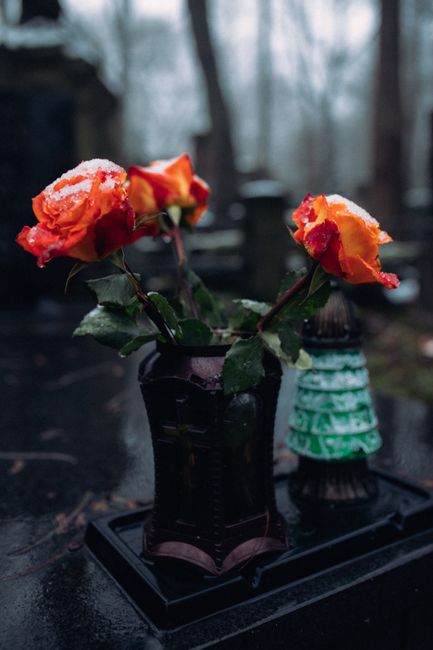
Cemetery flower disposal affects more than just appearance. It touches dignity, site cleanliness, maintenance schedules, and how peaceful the cemetery feels for visitors. In a place like Raynes Park, where many families visit graves regularly, small choices add up fast. A bouquet left in the wrong place can become soggy litter after rain, a blocked path hazard, or something a grounds team has to clear by hand. Nobody wants to be that person, and let's face it, most people never intend to be.
Local council rules often exist to keep memorial spaces orderly and safe. They may cover where flowers can be placed, when old tributes should be removed, what materials are allowed, and how waste is separated. Even when rules are not written in a dramatic "do this, don't do that" style, the practical expectations are usually clear: keep memorials tidy, avoid obstruction, and dispose of non-floral materials properly.
There is also a human side here. A cemetery is not just a plot of land. It is where people bring grief, memory, habit, and love. When one visitor clears flowers carefully, the whole area feels more cared for. When they don't, the space can slip into that sad, untidy stage where it starts to look neglected. That can be upsetting for families who return expecting to see their loved one's memorial kept with respect.
Expert takeaway: the real point of cemetery flower disposal rules is not bureaucracy for its own sake. It is about preserving dignity, safety, and shared responsibility in a sensitive public space.
How How Raynes Park Council Rules Affect Cemetery Flower Disposal Works
In practice, cemetery flower disposal usually comes down to a few simple factors: the type of flowers or tribute, how long they have been there, the condition they are in, and the specific cemetery guidance in place. Some sites allow flowers to remain for a reasonable period, while others ask that old tributes be removed before they become unsightly. Artificial arrangements may be treated differently from fresh flowers, especially if they include wire, plastic stems, ribbons, or foam that does not break down naturally.
The process is rarely complicated, but it does require a bit of judgement. Fresh flowers might be left in a vase or holder until they begin to fade. Once they are drooping, browning, or shedding petals everywhere, they should usually be removed. If the tribute includes cards, plastic wrap, ties, or foam blocks, those parts often need separating from the green waste. That is where a lot of people get caught out. The flowers themselves may be acceptable in one place, while the packaging is not.
Another factor is cemetery maintenance. Grounds staff need to mow, trim, collect loose waste, and keep walkways clear. A pile of decaying flowers can interfere with that work. During busier times such as weekends, anniversaries, or memorial dates, the space can fill up quickly. You may notice a mix of fresh bouquets, faded stems, and tributes waiting to be cleared. Not exactly a tidy little postcard scene, but that is real life.
There is also the question of where the removal happens. Some cemeteries allow waste to be placed in designated bins or collection areas. Others ask visitors to take old flowers home, especially where there are restrictions on mixed waste or overflow. If the site provides a flowers-only disposal point, that is usually the safest route. If not, removing the tribute and disposing of it at home or through an appropriate waste stream may be the more respectful option.
To keep things simple, think of it like this:
- Fresh, neat tributes can usually remain for a while.
- Wilted, broken, or cluttered arrangements should be removed promptly.
- Artificial decorations may need extra care because they are not always treated like organic waste.
- Packaging, wire, and plastic extras should be separated where possible.
Key Benefits and Practical Advantages
Following local cemetery flower disposal guidance may feel like a small thing, but the benefits are real. First, it keeps the memorial area calm and orderly. Families often return expecting a place that feels cared for, not one that looks like a wind-blown florist's shop after closing time. Second, it reduces the burden on grounds teams, who already have enough to manage without sorting through tangled cellophane and stray ribbon.
It also helps preserve the look of individual graves. A clean, well-kept memorial stands out in a dignified way. That matters more than people sometimes admit. Flowers are meant to honour someone. If they are left too long and become messy, the tribute can start to feel less like an offering and more like debris. A bit harsh, perhaps, but true.
There are practical advantages too:
- Less risk of obstruction: paths, headstones, and edging remain easier to access.
- Better hygiene: damp flower waste is less likely to attract pests or smell unpleasant.
- Easier maintenance: routine cleaning and grounds care become simpler.
- More respectful presentation: memorials look intentional rather than abandoned.
- Clearer family expectations: everyone understands what is likely to be acceptable.
If you are arranging flowers for a grave, a thoughtful choice can save stress later. For example, a simple bouquet from a local florist in Raynes Park SW20 is often easier to manage than a heavily wrapped arrangement with lots of plastic and non-biodegradable extras. And if you are ordering for a specific memorial date, a style that remains neat as it fades can make a real difference.
Who This Is For and When It Makes Sense
This guidance is useful for anyone who visits, maintains, or arranges flowers at a cemetery in Raynes Park. That includes family members, carers, funeral organisers, local residents, and even people helping with memorial anniversaries from a distance. If you are the one who usually goes "just to tidy up" after a few weeks, this is your territory.
It makes sense in several everyday situations:
- after a funeral, when tributes need to be reduced or refreshed
- on a regular visiting schedule, when old flowers need replacing
- before a burial plot or grave is maintained
- after bad weather, when bouquets have collapsed or blown over
- ahead of important dates, when families want the memorial to look cared for
This topic also matters if you send flowers on behalf of someone else. When ordering a remembrance tribute, a sympathy bouquet, or a memorial arrangement, it helps to think about what happens after the display has faded. A more compact design can be easier for families to manage. In that sense, flower choice is not just aesthetic. It is practical too.
If you want arrangements that suit memorial visits and are easier to handle, browsing options such as funeral flowers in Raynes Park SW20 or sympathy flowers can give you a clearer idea of styles that are often chosen for respectful settings.
Step-by-Step Guidance
Here is a simple, sensible way to deal with cemetery flower disposal without second-guessing yourself every five minutes.
- Check the condition of the tribute. If the flowers are fresh, upright, and tidy, they may be left in place. If they are collapsing, browned, waterlogged, or scattering petals everywhere, it is time to clear them.
- Look for cemetery instructions. Some cemeteries have signs, designated bins, or local guidance from the council. If there is a specific disposal point, use it. If there is not, take the flowers home.
- Separate organic and non-organic parts. Remove plastic wrapping, ties, foam, and metal supports where possible. Flowers and foliage can go one way; synthetic packaging may need another.
- Avoid blocking the grave or path. Do not leave waste beside the memorial "for later". Later often becomes two weeks, and then everyone regrets it.
- Use the right bin or waste stream. Organic waste may be acceptable in a green-waste style system if the site provides one. If not, place it in general waste as instructed.
- Refresh the tribute if needed. If you are replacing old flowers, clean the vase or holder first. A quick wipe and a fresh water change goes a long way.
- Keep a simple routine. Many families find it easiest to check memorial flowers every one to two weeks, especially during warm weather or windy spells.
One small but useful habit: carry a spare bag in the car or handbag. It is amazingly helpful when you turn up and realise the tribute has become floppy, and the cemetery bin is not meant for mixed mess. A tiny thing, really, but it saves a lot of awkwardness.
Expert Tips for Better Results
Over time, a few practical habits make cemetery flower disposal much easier.
- Choose flowers that age gracefully. Some blooms stay tidy longer than others. Flowers with sturdier heads and less shedding tend to look better over several days.
- Use less packaging. Wrapping can be lovely for a delivery, but for graveside use, minimal packaging is often the better option.
- Keep arrangements low and stable. Tall, top-heavy displays are more likely to topple in wind or rain.
- Avoid mixed materials where you can. The more plastic, foam, ribbon, and wire involved, the more fiddly disposal becomes.
- Plan around the weather. A cool morning can keep flowers fresher for longer, while hot sunshine will shorten display life fast. London weather, as ever, likes a little drama.
- Think about the next visit. If you know you will not be back for several weeks, choose an arrangement that can fade discreetly rather than one that will collapse messily.
Another practical tip: if the cemetery is busy or the plot is near a walkway, it is worth using a style that stays neat when petals fall. That sounds small, but it helps keep the area calm and tidy for everyone. A neat tribute does not shout for attention. It simply sits there, quietly doing its job.
Common Mistakes to Avoid
People usually get caught out by the same handful of mistakes. None of them are outrageous, but they do create unnecessary problems.
- Leaving old flowers too long. Once they are clearly past their best, they can look neglected and create clutter.
- Assuming all waste is the same. A bouquet is not the same as plastic wrap, foam, or floral wire.
- Using the wrong bin. Cemetery bins may be for specific waste only. Overfilling them is a common problem.
- Blocking maintenance access. Even a small pile of flowers in the wrong place can make grounds work harder.
- Forgetting artificial decorations. Fake flowers can degrade in sunlight and wind too, and they do not always belong in the same disposal route as fresh blooms.
- Ignoring local signage. If a cemetery has posted instructions, those matter more than guesswork.
It is also easy to forget that family members may have different expectations. One person might see faded flowers as a sign of ongoing remembrance. Another may see them as untidy. That can create awkward conversations. Best to agree on a rough routine early on, before anyone feels quietly annoyed and starts doing the job in secret. Yes, that happens.
Tools, Resources and Recommendations
You do not need special equipment to handle cemetery flower disposal well, but a few simple items help more than you might think.
- Small pruning scissors or garden snips: useful for removing dead stems cleanly.
- Disposable or reusable gloves: handy for damp stems, thorns, or muddy grave edges.
- Waste bag or carrier bag: useful for taking old flowers home if needed.
- Clean cloth or tissue: for wiping vases, holders, or memorial surfaces.
- Water bottle: helps refresh arrangements and rinse holders.
In terms of flower choice, some memorial-friendly options are easier to maintain than others. Chrysanthemums, lilies, and roses are often used in tribute arrangements, though every family has its own preferences and traditions. If you want to explore ready-made styles for graveside remembrance, a curated range such as tributes can be a useful starting point.
If you need something that feels more structured for memorial spaces, options like wreaths, sprays, or baskets and posies can be easier to place and manage than loose stems. For a more specific remembrance style, funeral arrangements may also be suitable, depending on the memorial and the family's wishes.
Law, Compliance, Standards, or Best Practice
When people ask about council rules, they often want a blunt yes-or-no answer. The reality is slightly softer than that. Cemetery flower disposal in Raynes Park will usually be shaped by local cemetery rules, council expectations, site notices, and broader waste and environmental best practice. Those things may not always be laid out in one neat paragraph, but they do guide what is acceptable.
In general, the safest approach is to treat the cemetery as a shared public memorial space. That means:
- respecting any posted instructions
- keeping memorial areas free from clutter
- disposing of waste in designated locations only
- separating biodegradable and non-biodegradable materials where possible
- avoiding damage to graves, plots, borders, or access paths
If a cemetery has a specific policy for flowers, wreaths, or tributes, follow that policy rather than relying on habit. And if the rules are unclear, the cautious route is better than the convenient one. You do not want a beautiful tribute to turn into something that grounds staff have to untangle with a resigned sigh on a Monday morning.
Best practice also includes being considerate about cultural and religious memorial traditions. Some tributes are not just decorative. They carry meaning tied to faith, family, and identity. In those cases, flower disposal should be handled with extra care and, where needed, guidance from family members should be followed.
Options, Methods, or Comparison Table
There is no single perfect method for every cemetery visit. The right choice depends on the condition of the flowers, the cemetery's guidance, and how often you can return.
| Method | Best For | Pros | Limitations |
|---|---|---|---|
| Leave flowers in place until faded | Fresh tributes with a short display window | Simple, respectful, low effort | Needs regular checking; can become untidy fast |
| Remove and take home | Sites without disposal bins or with strict rules | Most controlled option; avoids overflow | Requires a second step at home |
| Use a designated cemetery bin | Sites that provide one for floral waste | Convenient, quick, tidy | Only suitable if the bin is clearly intended for that purpose |
| Choose low-waste arrangements from the start | Longer-lasting memorial visits | Easier cleanup, less packaging, cleaner look | May be less decorative or less elaborate |
If you ask me, the best option is usually the simplest one that fits the site. A memorial tribute does not need to be complicated to be meaningful. In fact, simplicity often helps the flowers look more dignified as they fade.
Case Study or Real-World Example
Consider a common local scenario. A family in Raynes Park visits a grave every other Saturday. They bring a seasonal bouquet for the first visit, then return two weeks later to find the flowers are still there, but the outer petals have browned and the wrapping has started to soften from rain. Nothing disastrous, but enough to make the plot look a bit tired.
Instead of leaving it as it is, they remove the old stems, separate the plastic wrap and ribbon, clean the holder, and replace the display with a smaller, simpler arrangement. The new flowers are less fussy and sit lower, so they hold up better in wind. The grave looks cared for again, and the family feels better knowing they have followed the cemetery's expectations rather than leaving a mess behind.
This sort of thing happens all the time. Most problems are not dramatic. They are just cumulative. One wet bouquet becomes two. One loose ribbon blows into a path. A couple of forgotten arrangements start to look like no one has been watching the space at all. Small choices, big visual difference.
That is why practical flower disposal matters. It is not about perfection. It is about steady care.
Practical Checklist
Use this quick checklist before leaving flowers at a cemetery grave in Raynes Park.
- Check whether the flowers are still fresh and tidy.
- Look for local cemetery signs or disposal instructions.
- Remove plastic wrap, ties, and other non-organic parts if needed.
- Make sure the tribute is not blocking access or maintenance.
- Use the correct bin or take the flowers home if required.
- Clean the holder or vase if replacing an old arrangement.
- Choose a simple, stable display if you will not return soon.
- Be mindful of family preferences and memorial traditions.
- Leave the space looking calm, not crowded.
If that sounds obvious, good. Obvious is exactly what you want here. The best cemetery care often looks quietly uncomplicated from the outside.
Conclusion
How Raynes Park Council Rules Affect Cemetery Flower Disposal comes down to one simple idea: respectful shared spaces need practical care. The best approach is usually the one that keeps the memorial neat, follows local guidance, and avoids creating extra work for anyone else. Fresh flowers can honour a loved one beautifully, but once they fade, they should be removed with the same care they were placed with.
If you are deciding what flowers to choose for a grave, how long to leave them, or whether a tribute is likely to be easy to maintain, think ahead by a week or two. That small bit of planning saves hassle later and helps the memorial stay dignified. And honestly, that is what most families want anyway.
Get a free quote today and see how much you can save.
When in doubt, keep it simple, keep it tidy, and trust that a quiet act of care still means a great deal.
Frequently Asked Questions
What are the basic Raynes Park cemetery flower disposal rules?
In most cases, the basic expectation is that flowers should be kept tidy, removed once they are clearly past their best, and disposed of in the correct place. If the cemetery has posted rules or designated bins, follow those first. When guidance is unclear, the safest move is to take old flowers home rather than leaving them beside the grave.
How long can I leave flowers on a grave in Raynes Park?
That depends on the cemetery's local guidance, the season, and how fresh the flowers remain. There is no single universal timeframe that applies everywhere. A neat bouquet may be fine for a little while, but once it starts to wilt, shed, or smell damp, it should usually be removed.
Can I put old flowers in any cemetery bin?
Not always. Some bins are intended for floral waste only, while others may be for general rubbish or maintenance waste. If you are unsure, check signage or take the flowers home. It is better to be slightly cautious than to fill the wrong container, which really does happen more than people admit.
Do artificial flowers count as cemetery waste too?
Yes, they can. Artificial flowers often include plastic, wire, foam, or fabric, so they may not be treated the same as fresh blooms. They may also weather badly over time. If you use them, check how the cemetery handles non-biodegradable tributes before leaving them in place for long periods.
What should I do with wrapping, ribbons, and foam?
Separate them where possible. Plastic wrap, ties, and floral foam are not the same as flower stems and may need a different disposal route. It is a small bit of effort, but it keeps waste easier to manage and helps avoid clutter in the cemetery.
Are there flowers that are better for graveside use?
Yes. Sturdier flowers that hold their shape well tend to work better for graveside visits, especially if you cannot return frequently. Many people choose arrangements that stay neat as they fade rather than very delicate designs that collapse quickly. Simpler is often better.
What if I cannot visit the cemetery regularly?
If visits are infrequent, choose a low-maintenance tribute and make disposal plans in advance. A simpler arrangement, fewer non-organic materials, and a clear routine for replacement all help. If the site allows it, you might also coordinate with another family member so the memorial does not get overlooked.
Is it disrespectful to remove flowers too soon?
Not if they are already faded, damaged, or becoming untidy. Most families want the memorial to look cared for. Removing old flowers is usually part of that care, not a sign of forgetting. The key is to handle the tribute thoughtfully and replace it, if needed, with something fresh.
What if the cemetery does not have clear disposal instructions?
Then use the most respectful and practical option available: remove the old flowers cleanly, take away non-organic packaging, and dispose of the tribute at home or through an appropriate waste stream. If you are still unsure, asking the cemetery office or grounds team is usually the best next step.
Can cemetery flower disposal affect maintenance work?
Yes, very much so. Loose flowers, tangled wrapping, and leftover supports can interfere with mowing, trimming, and general upkeep. Even a small pile of debris can make a patch harder to manage. That is one of the main reasons local guidance exists in the first place.
Are sympathy or funeral flowers treated differently from regular flowers?
They can be, especially if they are arranged as wreaths, sprays, or tribute designs. These arrangements are often placed with memorial use in mind, but they still need proper disposal once they fade. The same basic rule applies: respectful placement first, careful removal later.
What is the easiest way to stay compliant with local cemetery rules?
Use the cemetery's own instructions, keep tributes simple, and avoid leaving mixed materials behind. If a display is starting to look tired, clear it promptly. That keeps things tidy, reduces friction, and makes the whole experience a lot less stressful for everyone involved.